



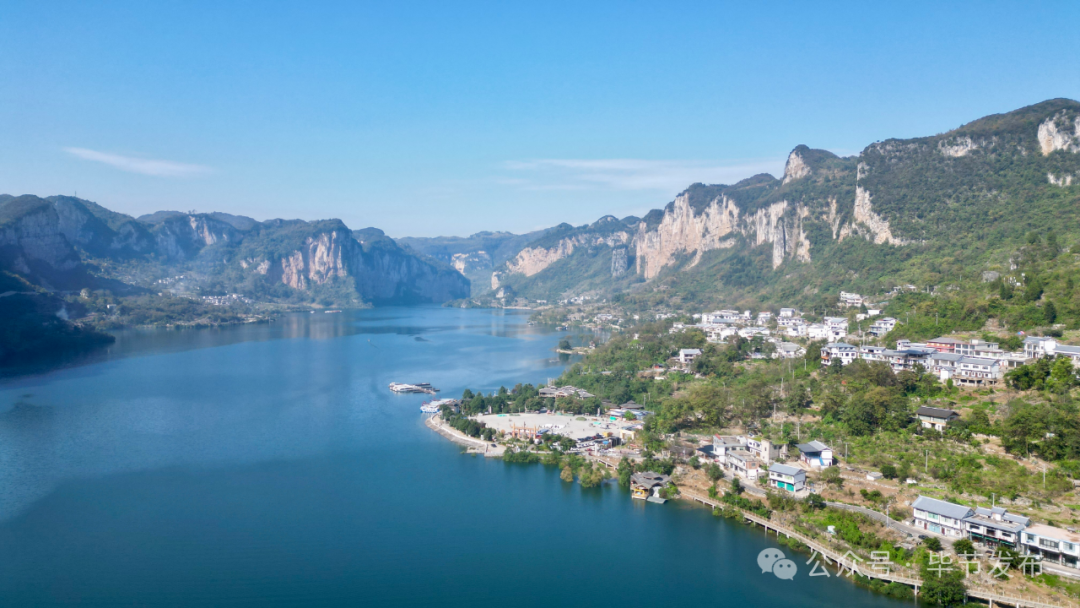
The Wujiang River, the largest southern tributary of the upper Yangtze, surges down from the Wumeng Mountains, cutting through mountains and valleys on its long sweeping journey.
At Huawu Village in Qianxi City, its northern and southern headwaters converge. The river folds around towering precipices, while Miao stilt settlements dot the opposite riverbanks. Distant hills loom like dark ink wash, and mist shrouds the near waters. The Hundred-Mile Wujiang River Gallery unfolds across heaven and earth as a monumental Chinese ink landscape painting.
Picturesque as the scenery is, the village was once trapped amid remote mountains. Standing by the Huawu Wharf railings today, it is hard to imagine this natural scenic gem was once cut off from the outside world by towering ridges: villagers could barely trek out of the mountains, and outsiders could hardly get in.
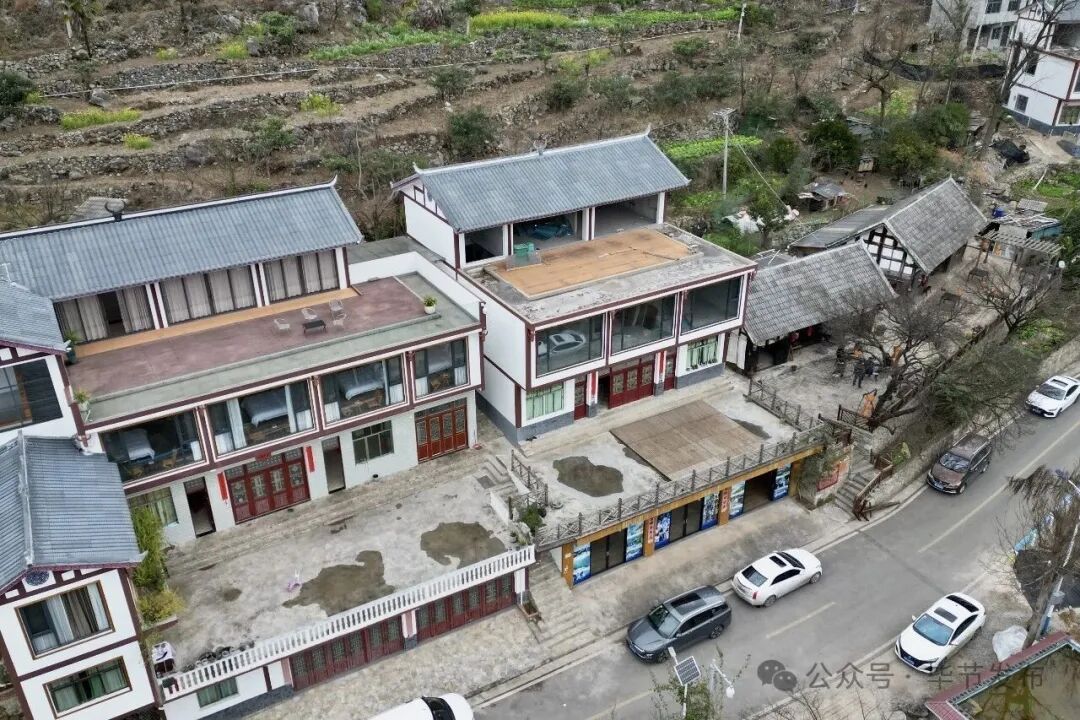
Since the 18th CPC National Congress, the transformative campaign of targeted poverty alleviation has broken through mountain barriers and brought earth-shaking changes to Huawu Village. Rough country lanes have been upgraded into paved thoroughfares, with expressways and winding tourist roads leading straight to village entrances. Biogas digesters, small water cisterns and featured vernacular housing renovations have been completed one after another. Cruise terminals, the Tongxin (Unity) Square and a visitor reception center have risen from scratch.
As the landscape takes on a fresh new look, a profound sense of gratitude has taken root among local residents. Wandering along the Wujiang amid rolling hills, echoes of thankful voices linger across the land.
Rewind to early spring of February 3, 2021, the Start of Spring solar term when all things awaken.
On that day, General Secretary Xi Jinping kicked off his Guizhou inspection tour with a visit to Huawu Village of Qianxi City. Standing beside the Wujiang River and gazing at the newly renovated riverside Miao hamlets, he witnessed local villagers living in comfortable homes with adequate food and access to education. He earnestly noted: “Attaining moderate prosperity is not the finish line, but a new starting point.”
This encouraging remark affirms Huawu’s remarkable poverty alleviation achievements and inspires villagers to forge ahead toward rural revitalization, etched deeply into every local resident’s heart and fuelling their drive for progress.
To cherish this historic favour and uphold their original aspiration, Huawu villagers made a collective pact: designate February 3 annually as the Achou Festival – Achou means gratitude in the local Miao language. From then on, gratitude has had a fixed annual milestone and an everlasting anchor of collective memory.
Guided by the important instruction, villagers have pressed forward for five consecutive years. Former bumpy access roads have been rebuilt into dual-lane asphalt tourist routes; shabby scattered farmyards have turned into clusters of distinctive blue-tiled white-walled homestays with unobstructed views of Wujiang’s dawn clouds and evening mists rolling over canyons. Villagers who once could only subsist on barren mountains now earn steady incomes via homestay operations, Miao embroidery workshops, glamping sites and river cruise businesses. More and more young migrant workers have returned home to fuel the village’s development with youthful vitality.
Hard data bears witness to the transformation: the village’s collective economic revenue has exceeded one million RMB, while per capita disposable income of villagers has quadrupled. From merely a handful of family-run diners, local agritainment outlets have expanded to over 40 in total. The once impoverished remote mountain gully has evolved into a nationally key rural tourism destination and a well-known eco-tourism spot along the Wujiang, turning lucid waters and lush mountains into genuine mountains of gold and silver for locals.
With thriving livelihoods, Huawu’s residents hold deep reverence and gratitude. “We should not only enjoy our good life ourselves but also pass down how these blessings came to our descendants,” said Xiao Yangqun, Secretary of the Village Party Branch, echoing the shared sentiment of all villagers.
Starting from 2025, the Achou Festival featuring rich folk activities is held every February 3 without fail, letting grateful spirits echo year after year and sustaining the drive for development.
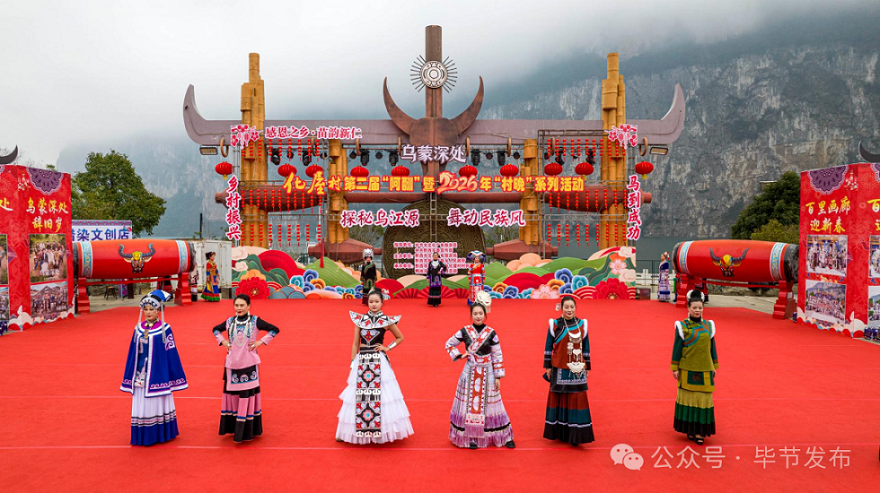
On the bustling Unity Square during the festival, the melodic sound of lusheng reed pipes reverberates through mountain valleys and bonfires light up the night sky. Miao villagers clad in elaborate traditional costumes gather from all corners to celebrate their exclusive holiday, recount changes of the times and share warmth brought by supportive policies.
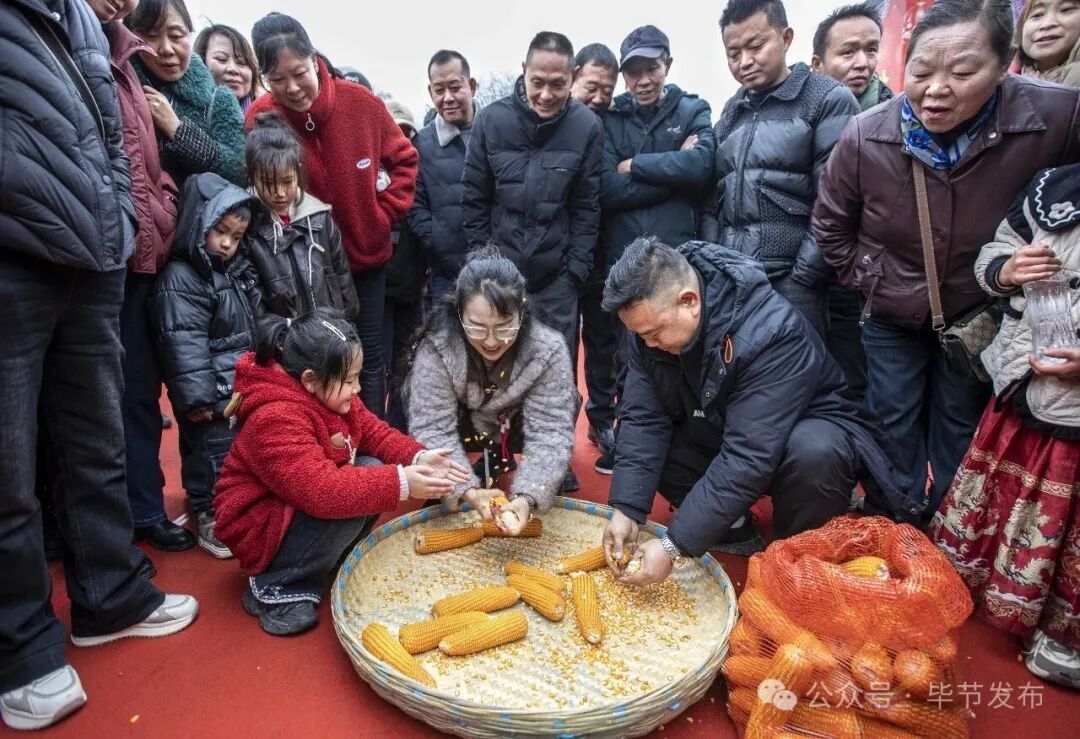
Fun rustic contests including tug-of-war, shoulder-pole wrestling and corn shelling enliven the venue with authentic rural charm, while a cascade of folk performances vividly showcases splendid Miao culture and locals’ happy lives. Fixed festival dates, immersive folk customs and full community participation have built Huawu’s unique system of collective memories rooted in gratitude.
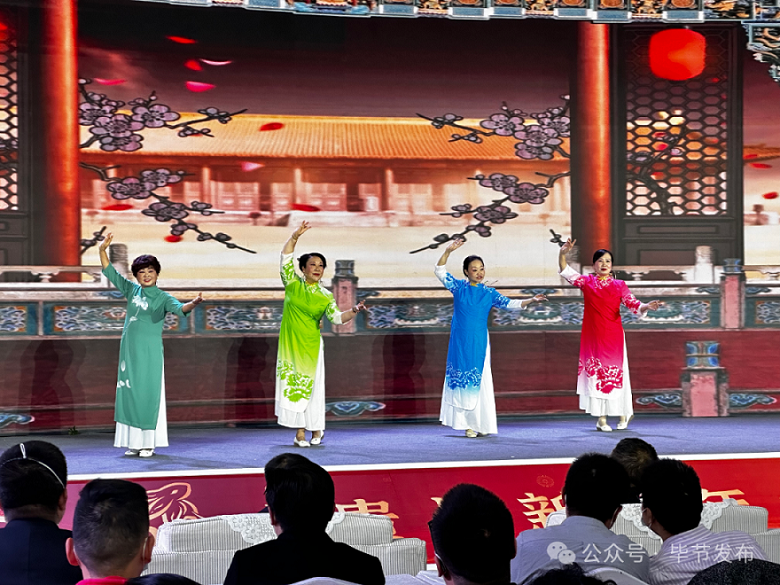
Beyond festival bonfires, the spirit of Achou flows into daily cultural inheritance just as the Wujiang keeps running. A cohort of grassroots inheritors keeps grateful sentiments alive via intangible cultural heritage and folk customs.
Local authorities tap into precious heritage resources including Miao folk arts and Qianxi Wenqin Opera (Guizhou Dulcimer Opera), integrating gratitude education into folk events to narrate the village’s drastic changes and express heartfelt thanks to supportive policies via audience-friendly performances.
Liu Tiejun, 68, a provincial-level inheritor of Wenqin Opera and grassroots cultural messenger for Huawu’s gratitude culture, fell for folk art in his early teens. Mastering various opera tunes and traditional musical instruments after over four decades of dedicated study under veteran artists, he anchors his creations in real village life. Drawing from Huawu’s poverty relief and revitalization journey, he composed the Wenqin Opera General Secretary Visits Our Miao Village. With plain vocal delivery and vivid scenes, the opera depicts Miao villagers welcoming the state leader and expressing sincere appreciation. Its iconic line “We shall never forget the kindness of the Party like boundless seas” captures the heartfelt gratitude of Huawu residents and all ethnic groups across Guizhou.
Apart from heritage operas, innovative down-to-earth theoretical lectures further spread grateful spirits among residents.
“Have you followed the hit rural revitalization TV drama The Depths of Wumeng recently?”
“Absolutely! The series has put the Hundred-Mile Wujiang Gallery on the national map while showcasing our indomitable pioneering spirit!”
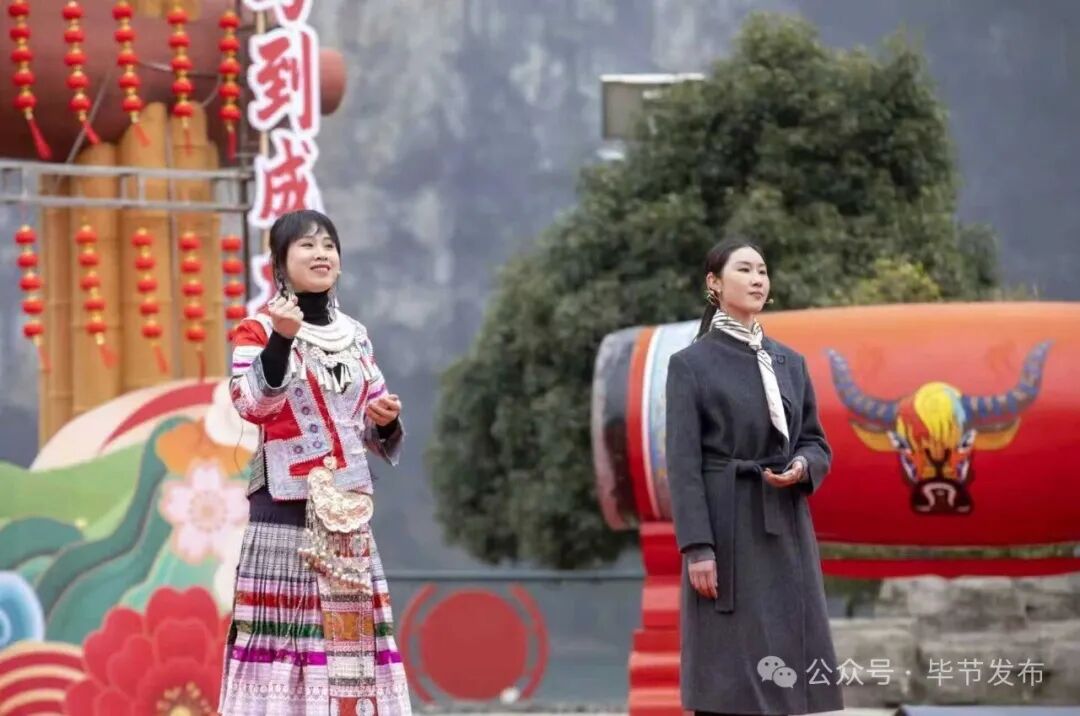
This snippet comes from the interactive lecture program Harmonious and Prosperous Huawu: Spring Abounds in Our Homeland, a popular local education carrier. Dressed in ethnic costumes, speaker Sun Yujiao narrates Huawu’s ups and downs in authentic local dialect and real-life stories: once villagers crawled along sheer Hand-Cliff Path for basic travel, now they greet tourists from balcony terraces of homestays; ginger once bartered for daily necessities is refined into ginger enzyme and sold nationwide; time-honored Miao embroidery, once hidden deep in hills, now shines outside mountains as valued intangible heritage. Her plain words linking past hardships and current prosperity strike a deep chord and draw prolonged applause.
Furthermore, Huawu hosts open-air gratitude classes amid green mountains, river scenery and bonfire evenings. As villagers recall arduous poverty-fighting days and envision promising revitalization prospects, they experience happiness and nurture gratitude via original folk expressions loved by local people.
Huawu’s gratitude education has evolved dramatically from passive listening to voluntary singing, from one-way preaching to mutual heartfelt resonance.
Every Huawu resident writes their own chapter of the village’s gratitude story. Here gratitude and diligent development reinforce each other, fostering a conscious ethos to protect precious local landscapes that have lifted residents out of poverty. Rooted in thankfulness, locals cherish and safeguard their natural homeland, forming a positive loop: gratitude fuels hard work, better lives deepen gratitude further.
Every Lunar New Year, rural courtyards across Huawu host warm gatherings: villagers sit around eight-square wooden tables, brainstorm Spring Festival couplets while calligraphers write their heartfelt thanks and best wishes onto red paper:
Our Miao village thrives under fine governance; we never forget those who dug wells for our drinking water.
The Hundred-Mile Gallery charms visitors; we sing praises of the Party amid Wumeng’s hills.
……
Unadorned and straightforward yet sincere, these lines carry genuine public affection. When asked if their wording is too plain, villagers reply candidly: “We write exactly what is in our hearts, no need for fancy rhetoric.”
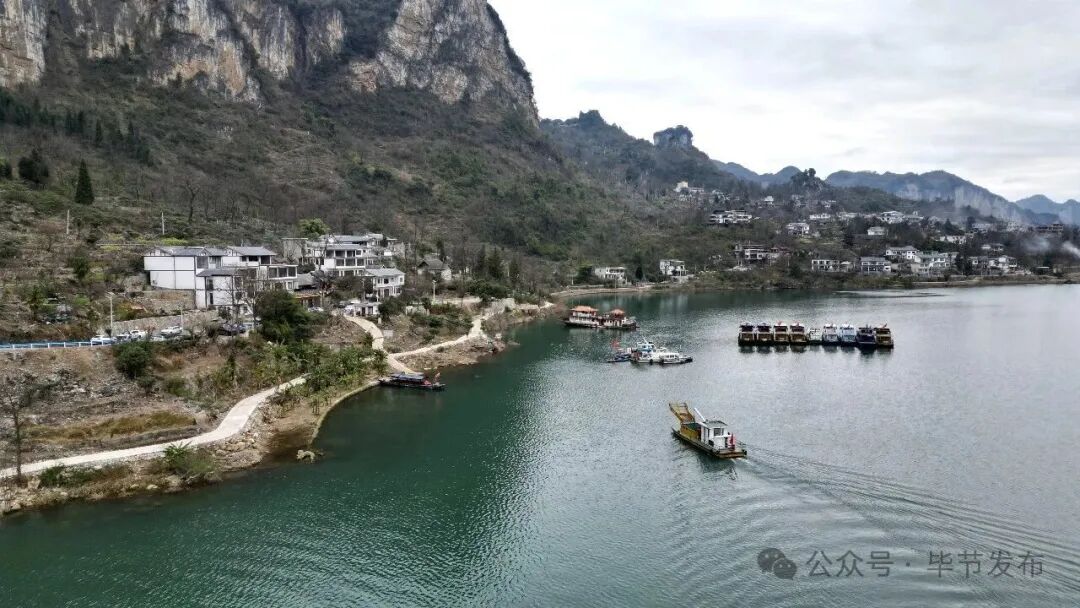
Once poor and isolated, You Rongxue left his hometown to work in factories and learn carpentry like countless young locals, longing to return but seeing no development prospects back then. In 2018, buoyed by booming local tourism, he and his brother invested savings to launch a river cruise firm, Qianxi Gallery Shipping Co., and earn their living from the scenic Wujiang landscape.
“Tourist numbers were modest at the beginning,” You recalled. “After General Secretary’s visit put Huawu on the map, visitors flocked nonstop. On my busiest days, I made five round trips without proper rest.” In 2021 alone, their two cruise boats generated over 300,000 RMB in revenue. Today the company runs nine vessels, and the brothers will open their self-built homestay ahead of the summer tourism peak season.
Natural beauty has turned into tangible prosperity. The hit series The Depths of Wumeng has catapulted Huawu into a nationwide internet-famous travel spot by showcasing its landscapes, folk customs and local culture. Yang Long, prototype of the drama’s character Ma Qinghao, seized rural revitalization opportunities to launch the village’s first homestay and transform his own life. Well-versed in Huawu’s scenic spots and filming locations, he acts as a free tour guide for guests alongside catering and accommodation services, taking visitors to check in at drama shooting sites and capture perfect landscape photos from prime viewpoints.
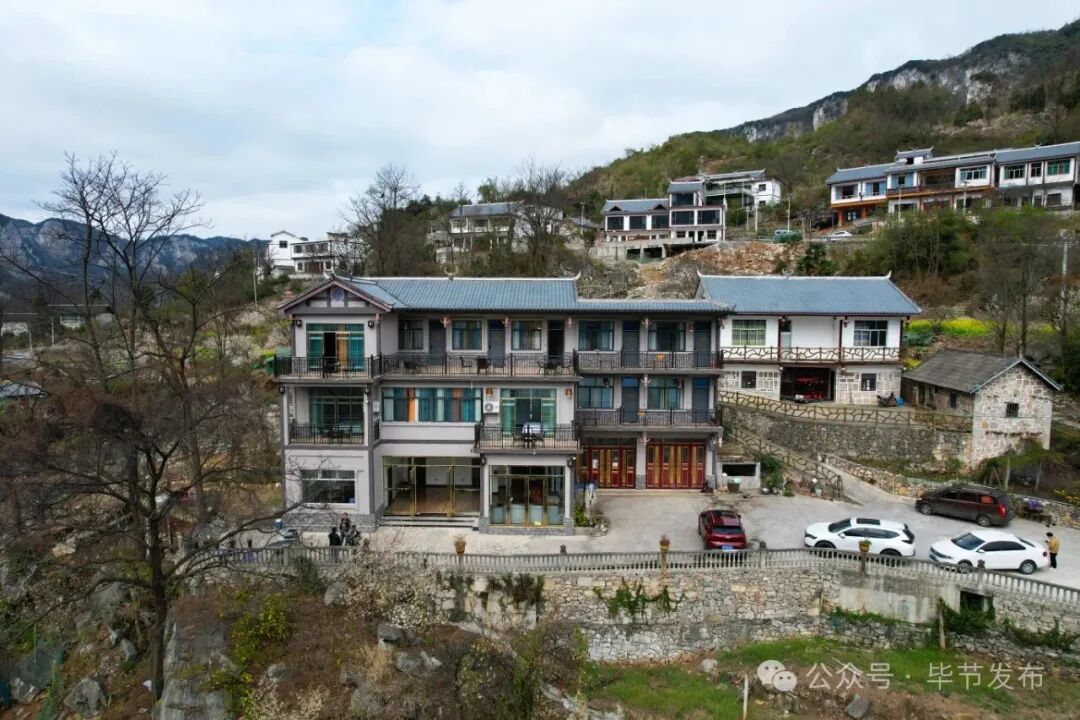
“A group of tourists from Chongqing specifically came to explore real scenes featured in the drama and experience authentic Miao village life,” said Yang from the balcony of his homestay Mountains, Rivers and Clouds, overlooking the iconic “Dapeng Spreading Wings” mountain range and gurgling Wujiang at his feet – the landscape he treasures and protects wholeheartedly.
With homestays rising to 25 across the village, operators set up mutual-recommendation WeChat groups to share tourist resources. “It fills me with pride to see more travelers discovering our hometown’s charm,” Yang expressed the shared fulfillment of all returning entrepreneurs. The Huadu Wild Luxury Glamping Resort also stands as a landmark of local booming tourism.
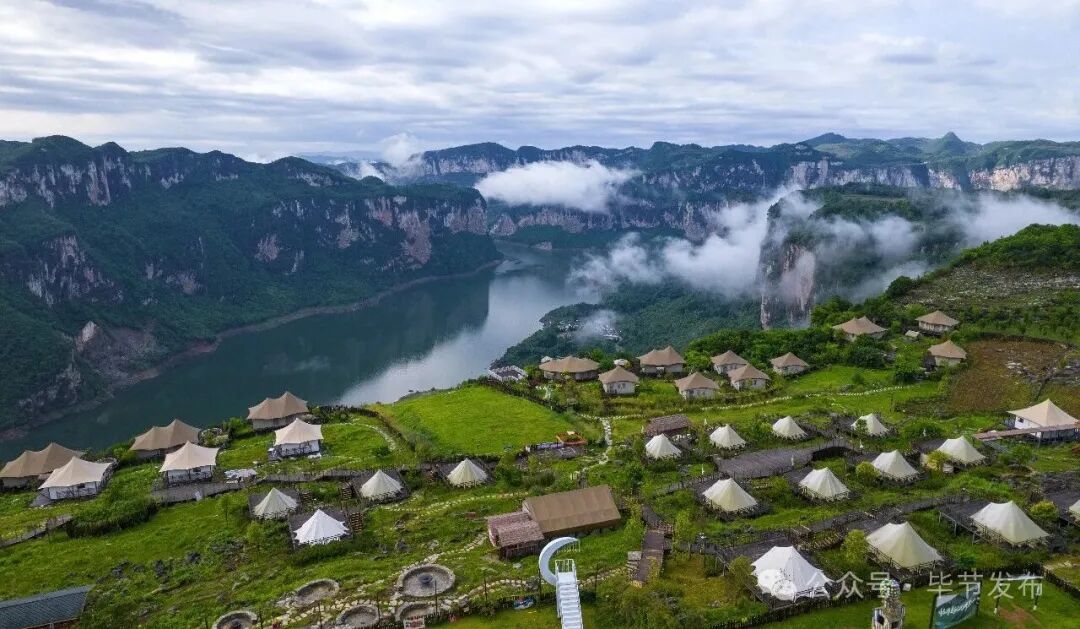
The Wujiang rolls on endlessly and the original aspiration gets passed down from generation to generation. As breezes sweep the canyon, melodic Miao folk songs echo across river waves and green ridges: Spring breezes sweep Huawu; the Party shares our joys and woes. The tunes carry sincere gratitude and solid strides toward future progress.
Silent green mountains witness drastic transformations; the endless Wujiang forges new chapters of development. Standing at a fresh developmental starting point, Huawu Village will keep its grateful Achou spirit, nurture folk culture, expand featured industries and safeguard pristine mountains and waters. Rooted in gratitude and driven by solid efforts, villagers march forward steadily on the road to comprehensive rural revitalization. The lingering folk ballads are both sincere thanks for past support and firm vows for an even brighter tomorrow.