




Deep within the karst hinterland lie breathtaking "underground palaces" —karst caves. Inside are crystal-clear stalactites, dreamlike stone curtains, rare blind fish and blind shrimp, and much more.
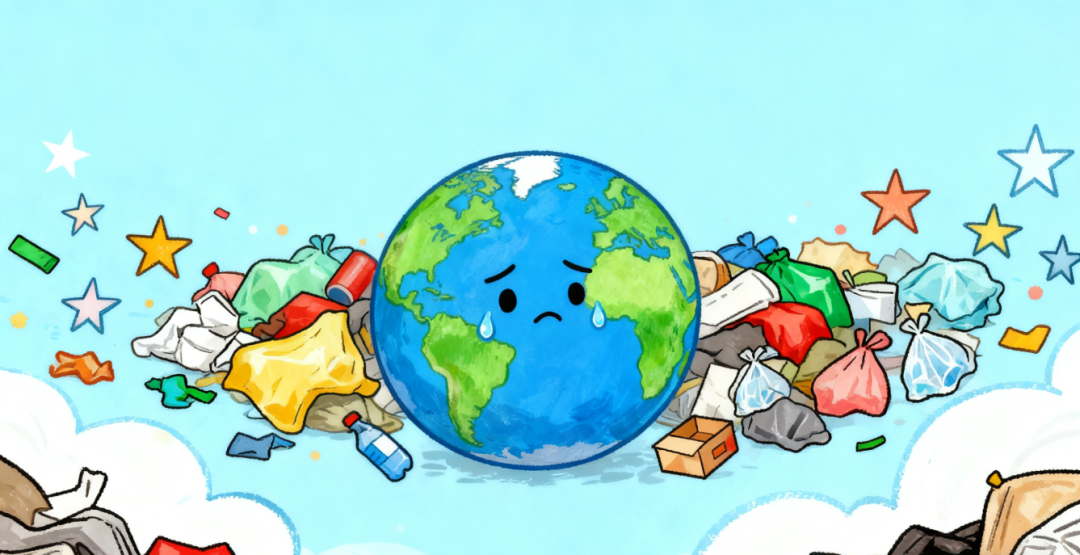
Yet,these "underground palaces" are under threat. Some people treat them as "natural rubbish bins". Domestic waste, construction debris, livestock manure and other solid waste are dumped casually into caves. Do they think "out of sight, out of mind"?
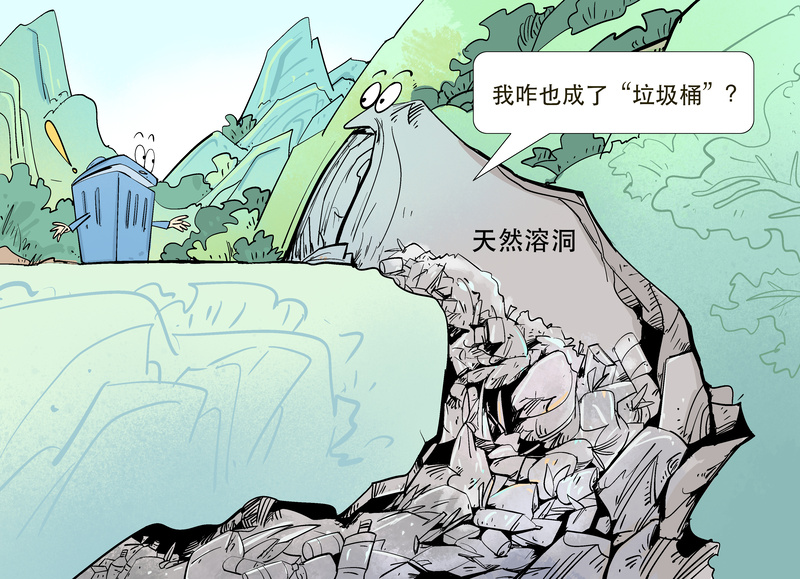
In truth, this practice will not only wipe out stalactites that take tens of thousands of years to grow just one centimetre, pollute the groundwater we drink, but may also cross the legal red line governing solid waste management.
Today, let us find out: Why should we protect karst caves? What price will be paid for using caves as "natural rubbish bins"? What can ordinary people do?
👇
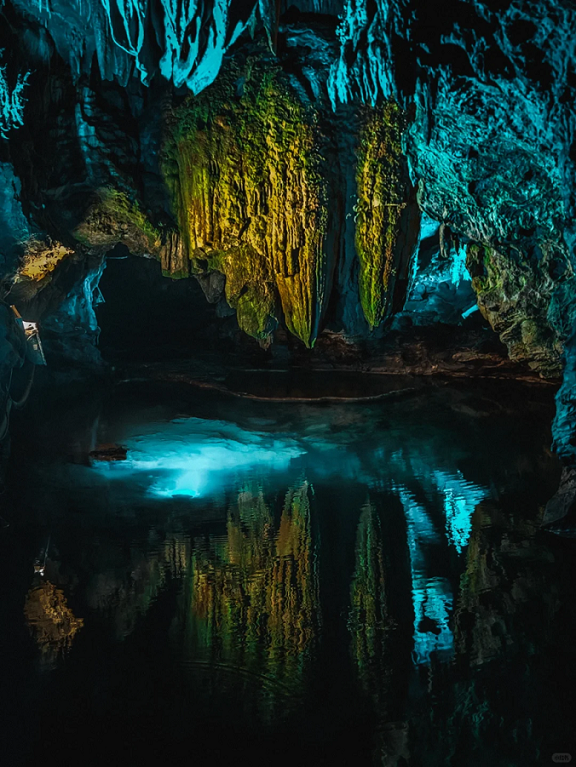
Non-renewable geological heritage:Karst caves are karst landforms formed over tens of thousands or even hundreds of thousands of years. Stalactites grow extremely slowly (roughly 1 millimetre per century). Once covered by waste or damaged, they can never be restored.
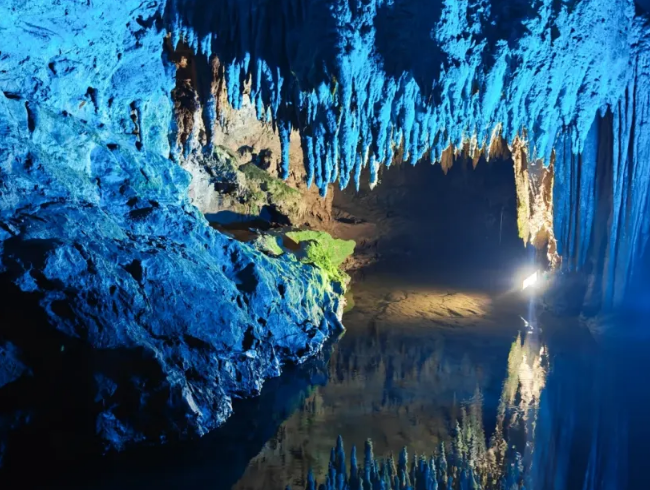
Arteries of groundwater: Caves serve as passages for underground rivers. Leachate from waste seeps directly into underground water bodies, contaminating drinking water sources for local residents. Toxins will persist in the environment for decades.
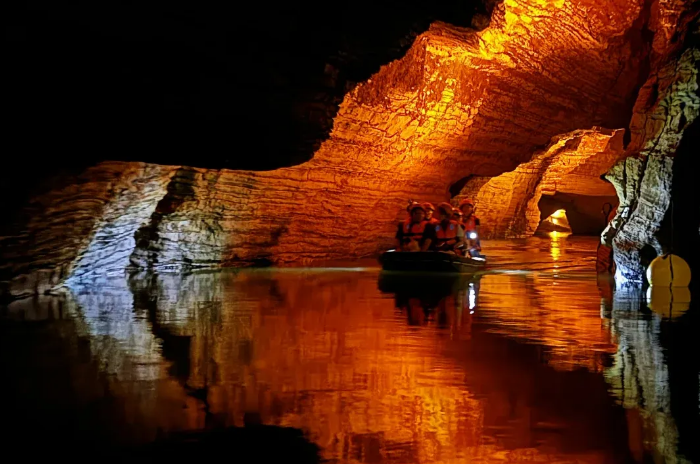
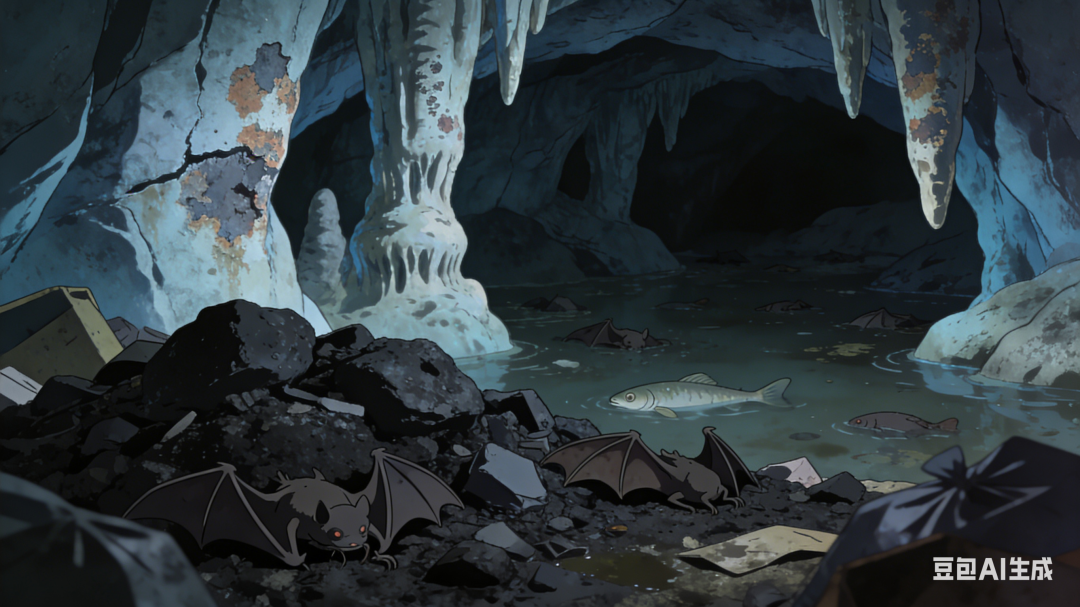
Mysterious ecological islands: Many unique species such as rare blind fish and blind shrimp inhabit caves. They are extremely sensitive to water quality. Pollution from waste may wipe out entire cave ecosystems.
What constitutes illegal dumping of solid waste?
What are common acts of illegal solid waste dumping?
Illegal dumping of solid waste refers to the act of discharging, stacking, landfilling or disposing of solid waste (including hazardous waste, general industrial solid waste, domestic waste, construction waste, etc.) at will, in violation of relevant national laws and regulations.
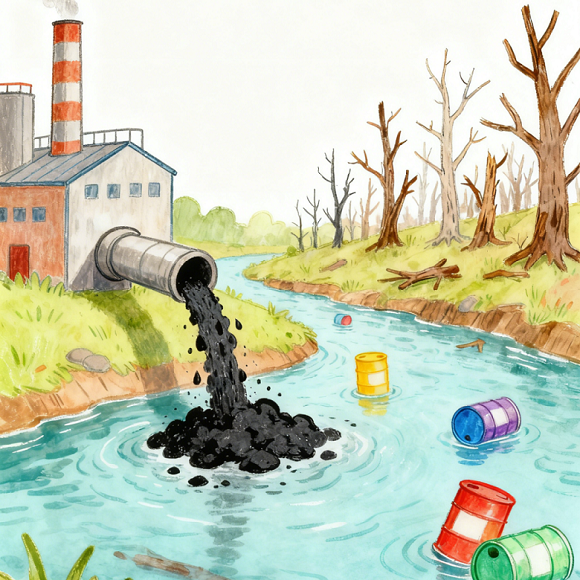
Illegal dumping of industrial solid waste or hazardous waste:Waste-generating enterprises arbitrarily discard hazardous waste or general industrial solid waste such as residues, scraps, sludge, waste acid and waste alkali on remote wastelands, riverbanks, valleys, farmland, abandoned mine pits and other sites away from factory premises.
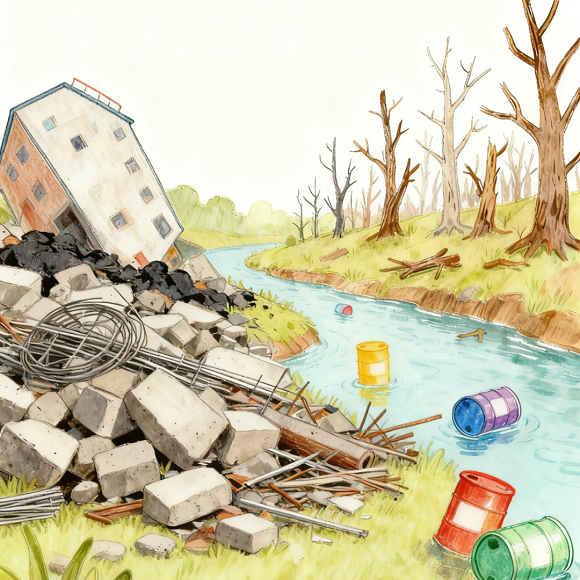
Illegal dumping of construction waste: Construction entities or individuals fail to transport construction waste (earth, broken bricks, waste concrete, renovation refuse, etc.) to designated disposal yards. Instead, they dump waste at nearby secluded locations including urban-rural fringes, undeveloped plots, areas beside highways and woodlands.
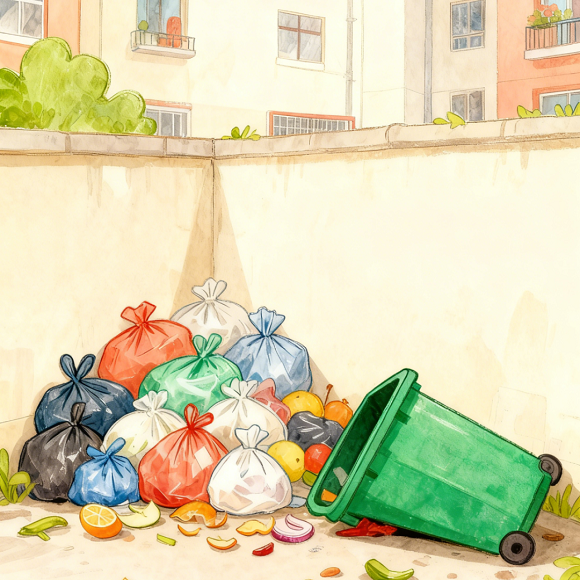
Illegal dumping of domestic waste: Entities or individuals fail to deliver collected domestic waste to official waste stations, landfills or incineration plants. Instead, rubbish is discarded casually along roadsides, riverbanks, hillsides, caves or farmland, forming huge garbage heaps.
Key reminder: Solid waste covers not only toxic and hazardous materials, but also daily domestic waste and general industrial solid waste. Improper disposal of any of these may constitute "illegal dumping".
Contaminate underground water sources: Caves connect to underground rivers. Waste pollution allows leachate to directly pollute drinking water and endanger human and livestock health.
Destroy karst ecosystems: Poison cave organisms and corrode stalactites, triggering irreversible ecological damage.
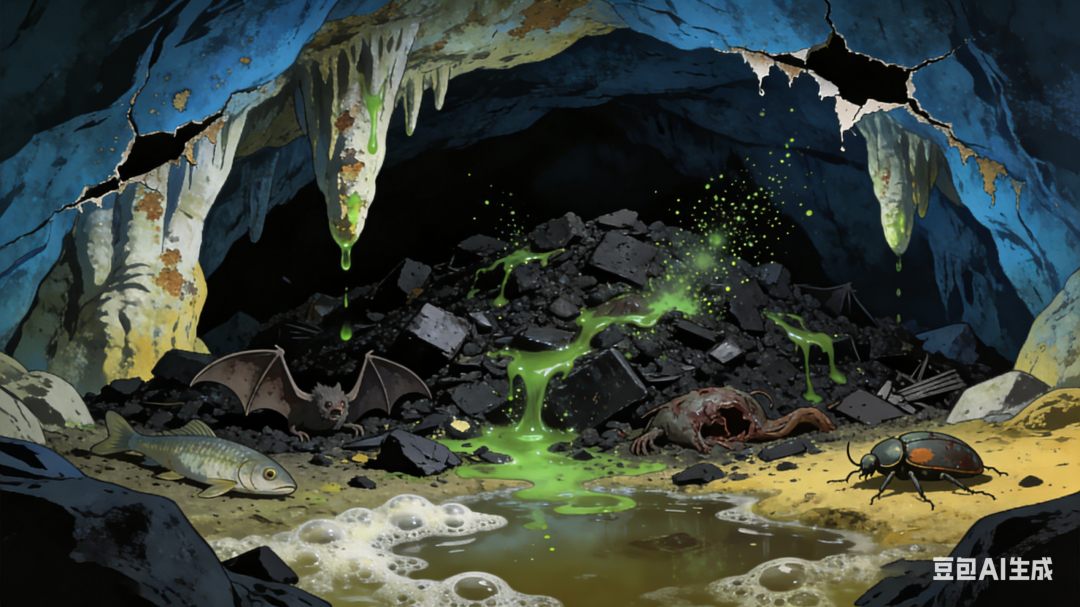
Block underground rivers: Likely trigger inland flooding and flash floods, raising risks of geological disasters.
Long-term pollution difficult to remediate: Caves are concealed and enclosed, making waste cleanup extremely difficult. Pollution can persist for decades.
Legal consequences: Violations of environmental protection laws incur heavy fines. Severe cases constituting the crime of environmental pollution will lead to criminal liability.
Economic consequences: Extremely high costs for later waste clearance and ecological restoration, resulting in massive losses of public finance.
Health consequences: Water pollution causes a surge in illnesses and harms the health of nearby residents.
Environmental consequences: Permanent destruction of scenic landscapes and deterioration of geological environments, robbing future generations of natural heritage.
Resist indiscriminate dumping: Do not throw domestic waste, construction debris or sundries into caves. Never treat karst caves as "natural landfills".
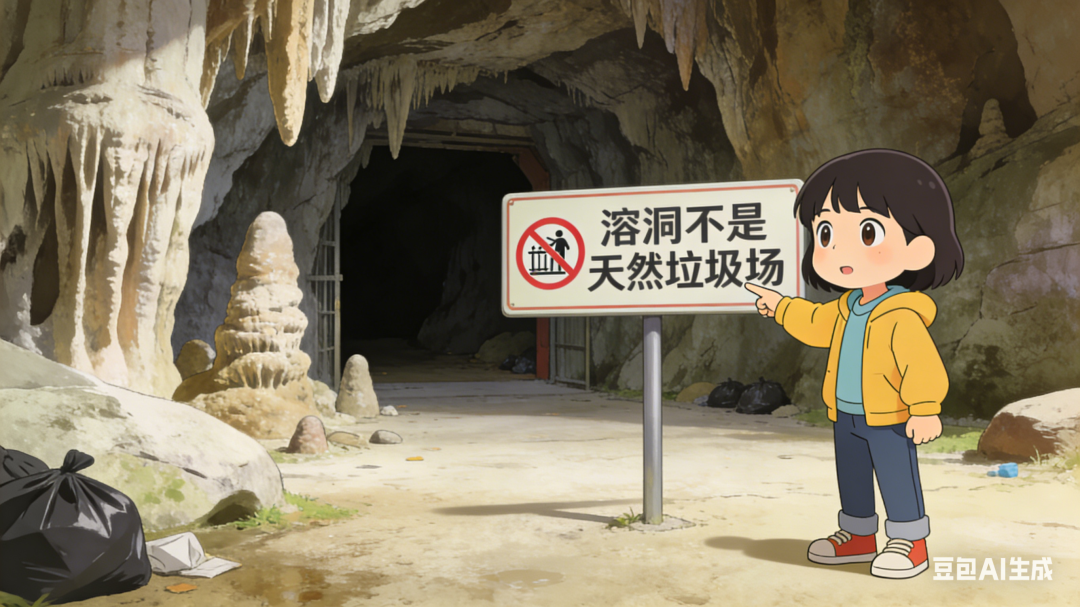
Learn environmental protection knowledge: Understand that caves are connected to underground rivers; waste pollution can directly enter drinking water sources and threaten the health of you and your family.
Persuade people around you: Promptly warn and stop relatives and neighbours who intend to dump waste into caves, explaining the hazards and legal repercussions.
Sort and dispose of waste properly: Place domestic waste in bins and arrange designated transportation for construction waste to curb random dumping at the source.
Protecting the ecosystem is everyone’s responsibility. Let us work together to become guardians of karst caves, and safeguard this non-renewable beauty. Start today, start with you and me!